
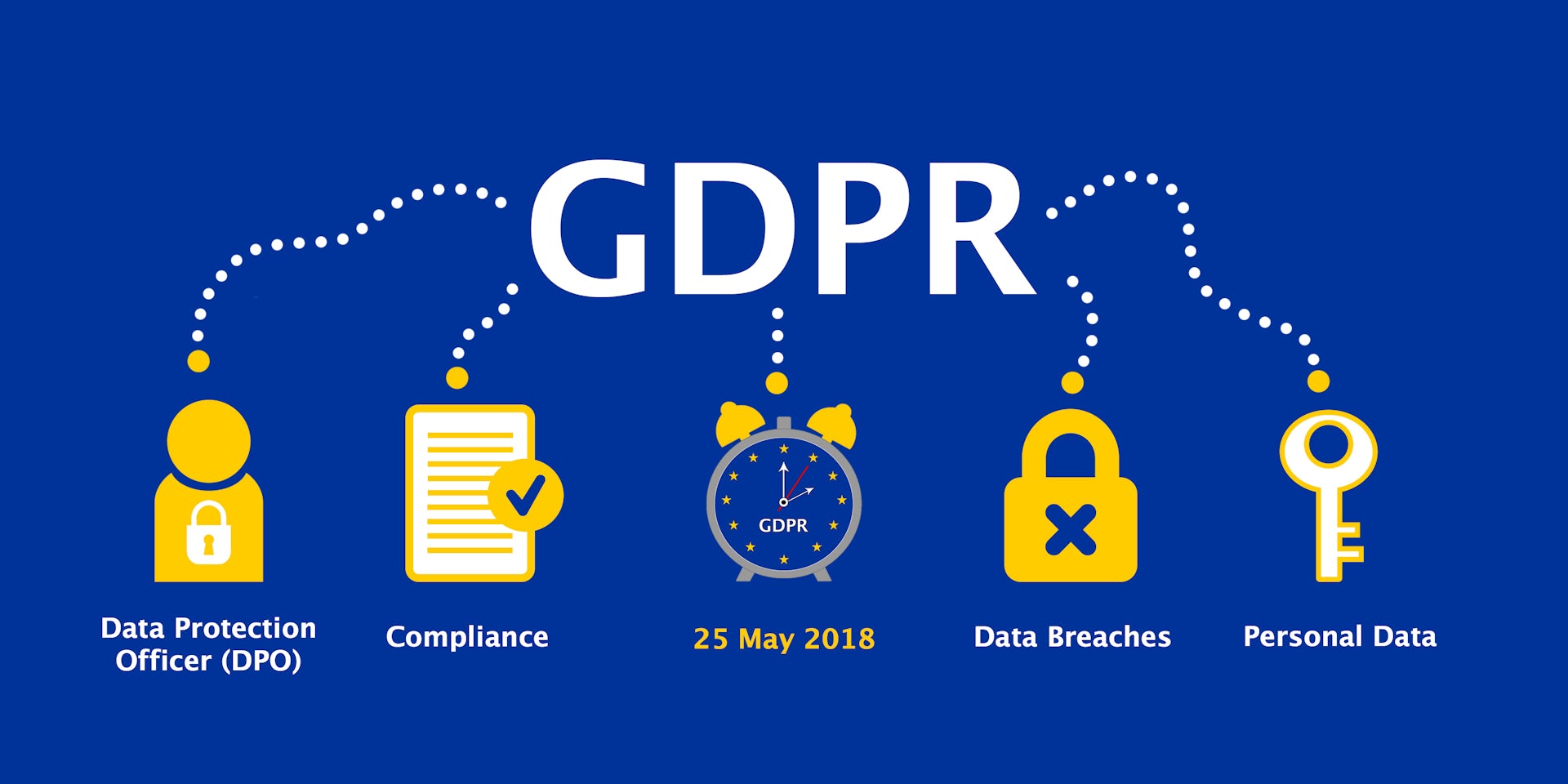
The GDPR’s Long Arm: EU Data Protection Goes Global
A decade after its adoption, the General Data Protection Regulation continues to redefine global data flows, and its extraterritorial reach remains one of its most powerful—and controversial—features. Recent enforcement actions confirm that being headquartered outside the EU offers no shield.
The Irish Data Protection Commission’s record €1.2 billion fine against Meta in 2023, concerning unlawful transfers of personal data to the US, was merely the headline act. European regulators are increasingly targeting mid-sized companies in sectors like ad-tech and health analytics, where complex data brokering often occurs without proper safeguards.
The core tension lies between the EU’s fundamental rights framework and the surveillance laws of third countries. The new EU-US Data Privacy Framework provides a viable transfer mechanism for certified companies, but its legal durability is already being challenged by privacy activists. For international businesses, the message is clear: the cost of treating GDPR compliance as a mere checkbox exercise now outweighs the investment in a robust, demonstrable data governance architecture.